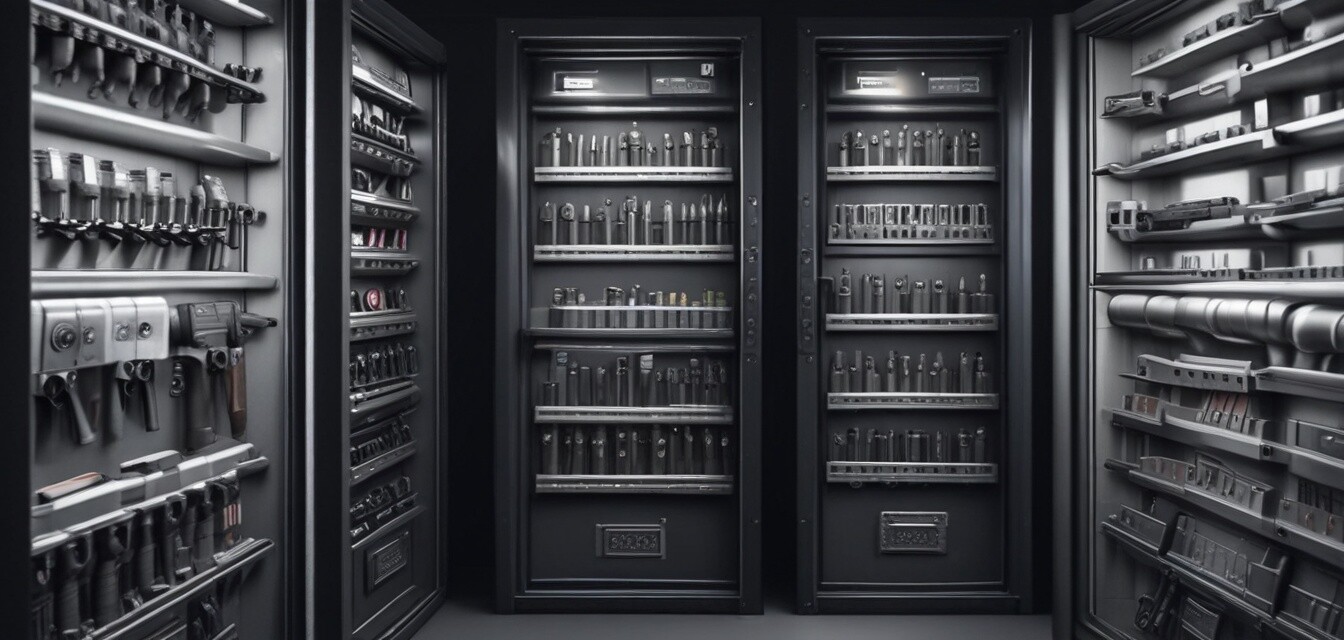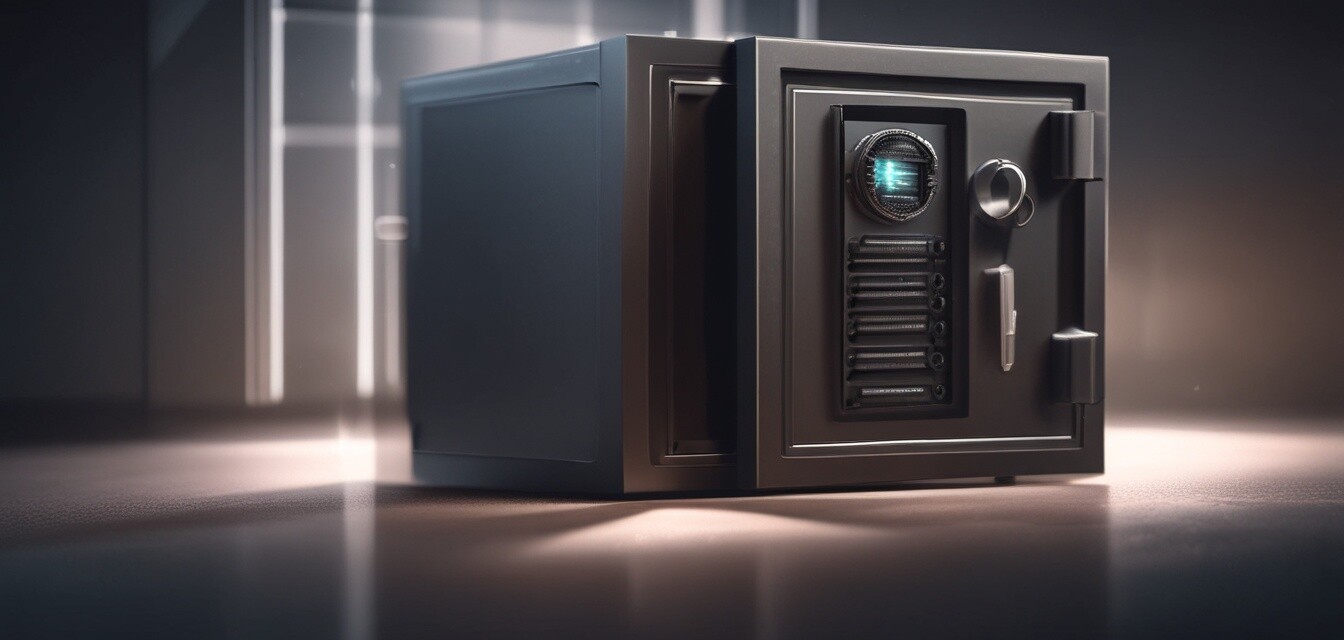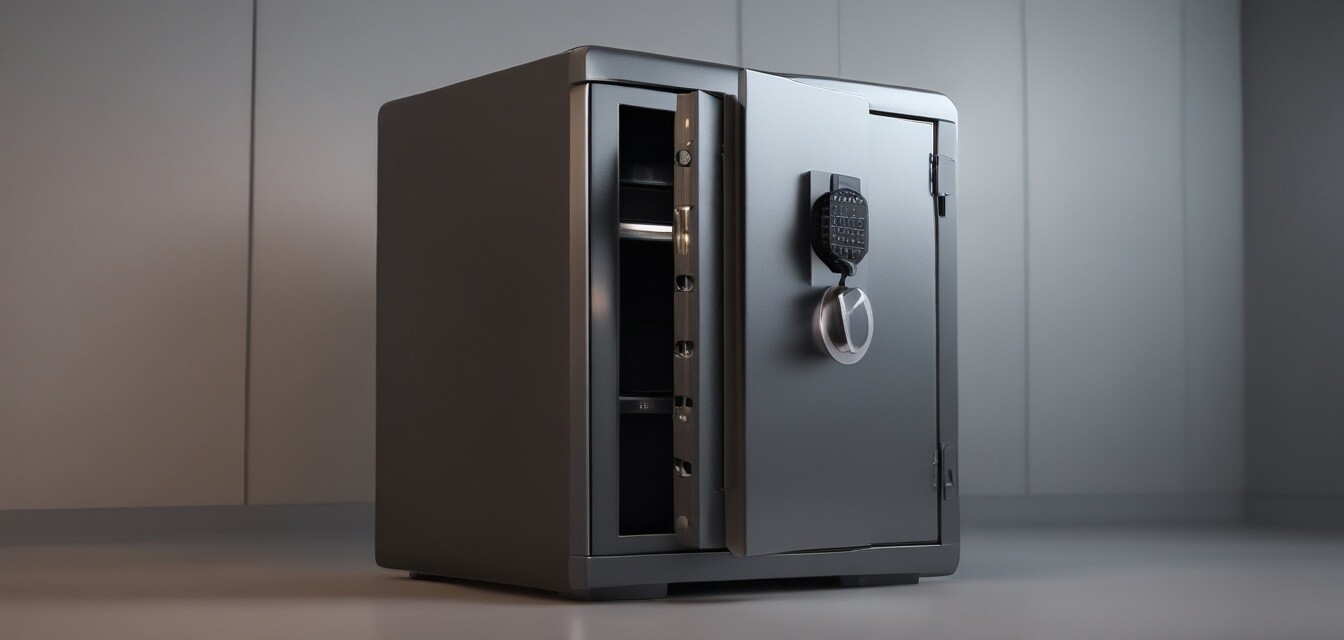
Introduction to Biometric Gun Safes
Key Takeaways
- Biometric gun safes offer quick access through fingerprint technology.
- They enhance security, preventing unauthorized access to firearms.
- Available in various sizes suitable for handguns and rifles.
- Easy to install and operate with minimal maintenance required.
- Consider features like size, battery life, and backup options when selecting a safe.
Biometric gun safes are becoming increasingly popular among firearm owners who seek a secure yet accessible storage solution. Utilizing advanced fingerprint technology, these safes provide a quick and reliable method of accessing your firearms while ensuring that only authorized users can do so. This article explores the benefits of biometric gun safes, how they enhance firearm security, and offers guidance on selecting the right model for your needs.
What are biometric gun safes?
At their core, biometric gun safes use fingerprint recognition technology to grant access. Unlike traditional locks that require keys or combination codes, biometric safes provide a seamless interface that recognizes your unique fingerprint and unlocks the safe in seconds. This technology not only enhances safety but also convenience.
Benefits of biometric gun safes
Biometric gun safes offer several advantages over traditional locking mechanisms. Here are some prime benefits:
- Quick Access: Accessing your firearm in an emergency is crucial. Biometric safes ensure you can reach your weapon in seconds.
- Enhanced Security: Only those whose fingerprints are registered can access the safe, reducing the risk of unauthorized usage.
- User-Friendly: Most biometric safes are simple to operate. Often, first-time users can access their safe within a few tries.
- No Keys Needed: Ditch the worry of losing keys or forgetting combinations. A biometric safe focuses on your fingerprint, an irreplaceable asset.
- Modern Appearance: Biometric safes come in a sleek, modern design that fits seamlessly in homes and businesses.
How biometric gun safes enhance firearm security
The primary role of biometric gun safes is to provide heightened security through technology. Here's how they achieve this:
| Security Feature | Description |
|---|---|
| Fingerprint Recognition | Utilizes unique facial or fingertip patterns, which are difficult to forge or duplicate. |
| Advanced Algorithms | Many models employ sophisticated algorithms that enhance detection accuracy and speed. |
| Tamper Alerts | Notifications or alarms when unauthorized access attempts occur. |
| Backup Key or Code | Most biometric gun safes have a key or code for access in case of battery failure. |
Choosing the right biometric gun safe
With various models available, selecting the right biometric gun safe can be overwhelming. Consider the following factors:
- Size: Ensure the safe is appropriate for the type of firearms you need to store, whether it be handguns or longer rifles.
- Battery Life: Look for models with long-lasting batteries or those that offer backup power options.
- Mounting Options: Determine if you want a portable unit or one that can be mounted securely.
- Security Features: Inquire about door thickness, locking mechanisms, and other protective features.
- Customer Reviews: Check reliability and efficiency through user feedback on various brands.
Different types of biometric gun safes
Biometric gun safes come in a variety of types, each tailored to specific needs:
| Type | Description | Best For |
|---|---|---|
| Compact Handgun Safes | Small safes designed specifically for handguns. | Home defense and personal use. |
| Rifle and Long Gun Safes | Larger units designed for rifles and other long firearms. | Gun collectors and sport shooters. |
| Quick Access Safes | Safes with rapid authentication for immediate access. | Emergency situations where speed is critical. |
| Fireproof Gun Safes | Safes that offer fire resistance, protecting contents in case of a fire. | Individuals in areas prone to wildfires. |
| In-Car Gun Safes | Portable safes designed for securing firearms in vehicles. | Travelers and individuals who transport guns frequently. |
Installation and Maintenance
Most biometric safes are designed for easy installation. Here are some general steps:
- Choose a secured location.
- Mount or position the safe as per the manufacturer’s instructions.
- Register fingerprints and test the recognition functionality.
- Regularly check and replace batteries as needed.
Frequently Asked Questions
Are biometric gun safes reliable?
Yes, when purchased from reputable brands, biometric gun safes are reliable. Reading customer reviews can provide insight into a model's performance.
What if the fingerprint scanner fails?
Most biometric safes come with backup access options, such as a physical key or passcode.
How many fingerprints can I program into a biometric safe?
This depends on the model, but many safes allow for multiple users to be registered.
Conclusion
Biometric gun safes represent a significant leap forward in firearm security, combining technology with practicality to create secure, accessible storage solutions. Whether you are a first-time gun owner or a seasoned collector, understanding the characteristics and benefits of biometric safes can help you make an informed decision about your firearms’ security needs.
Tips for beginners
- Always choose a biometric safe that meets your specific needs.
- Test the safe’s functionality thoroughly before relying on it for security.
- Consider investing in a safe with additional features like fireproofing and tamper alerts.
Pros
- Fast access in emergencies
- Eliminates key worries
- Compact and modern designs available
Cons
- Fingerprint sensors may lose effectiveness if not maintained
- Battery-dependent functionality
- Higher initial cost than traditional safes
Explore more about firearm security
For additional information on various types of safes, check out our other categories: