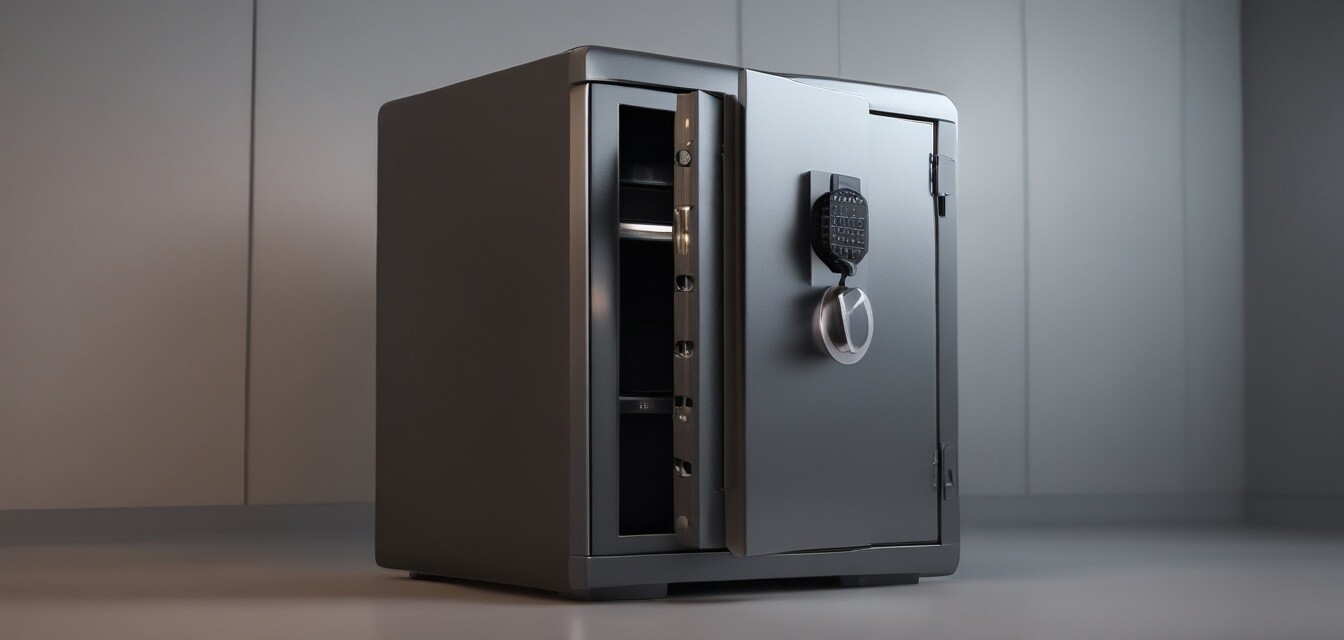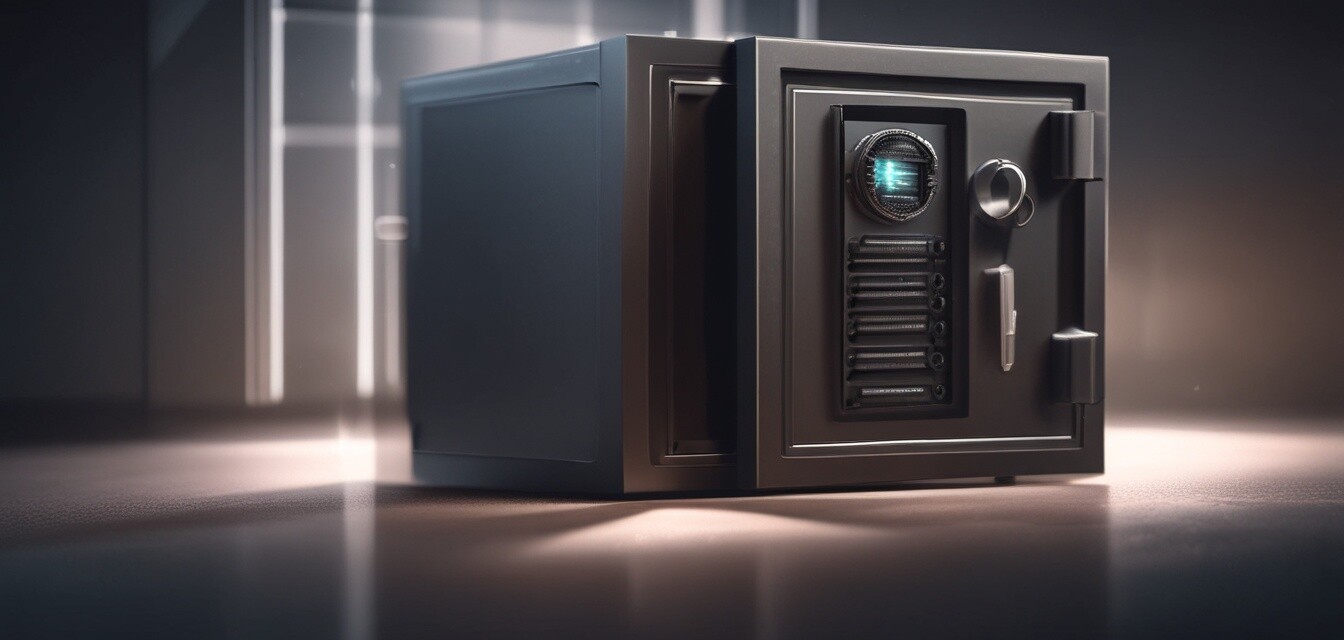
Biometric Safe Technology
Key Takeaways
- Biometric safes provide advanced security through fingerprint recognition.
- Sensor quality is paramount in ensuring accurate and fast access.
- Software reliability impacts the overall performance of biometric safes.
In today's world, securing your firearms is more important than ever. Biometric safes utilize cutting-edge technology to provide fast and secure access to your firearms while ensuring that unauthorized users cannot access them. This article will delve into the technology behind biometric safes, exploring fingerprint scanning, sensor quality, and software reliability.
What Is Biometric Safe Technology?
Biometric safe technology refers to security systems that use unique human characteristics, such as fingerprints, to grant access. Unlike traditional locking mechanisms, biometric safes are equipped with scanners that read and verify the user's fingerprint, allowing for quick entry by authorized individuals.
How Biometric Safes Work
The operation of a biometric safe can be broken down into several key components:
1. Fingerprint Scanning
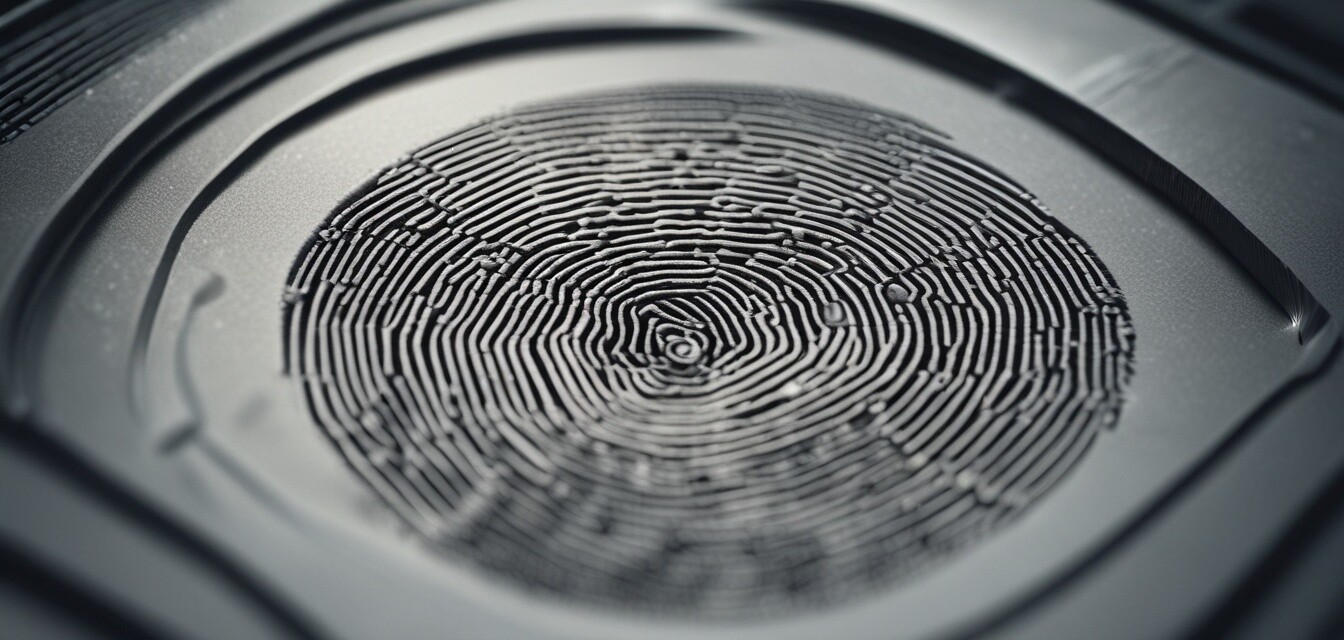
The primary feature of biometric safes is their fingerprint scanning technology. Here's how it typically works:
- The user places a finger on the scanner.
- The scanner reads the fingerprint pattern using light and sensors.
- The image is converted into a digital template.
- The safe compares this template against stored templates to verify identity.
2. Sensor Quality
| Sensor Type | Advantages | Disadvantages |
|---|---|---|
| Optical Sensors | Affordable, easy to integrate | Less accurate, can be fooled by images |
| Capacitive Sensors | More secure, better recognition | More expensive, requires higher maintenance |
| Ultrasonic Sensors | Highly accurate, works with dry/wet fingers | Costly, complex design |
3. Software Reliability
A significant aspect of biometric safes is the software that runs fingerprint recognition algorithms. Reliable software ensures:
- Fast processing times for unlocking
- High accuracy in fingerprint matching
- Regular updates to improve security measures
Security Features of Biometric Safes
Biometric safes come packed with various security features designed to enhance protection:
- Backup access methods (e.g., keypad, key)
- Audit logs for tracking access attempts
- Tamper alerts to notify users of unauthorized access attempts
Pros and Cons of Biometric Safes
Pros
- Quick access for authorized users
- Enhanced security over traditional locks
- Eliminates the need for keys or combinations
Cons
- Higher upfront cost compared to traditional safes
- Relies heavily on sensor quality and software performance
- Can be less reliable in extreme conditions (e.g., dirt, moisture)
Choosing the Right Biometric Safe
When looking for a biometric safe, consider the following factors:
- Purpose: Is it for home use, car storage, or traveling?
- Size: Will it fit your firearms and accessories?
- Access speed: How quickly can you open it in an emergency?
- Reviews: Research products and read biometric gun safe reviews to find trustworthiness.
Comparing Biometric Safes
When choosing between different biometric safes, it helps to compare various models. Below is a simplified comparison of key metrics:
| Safe Model | Sensor Type | Access Speed | Price Range |
|---|---|---|---|
| Model A | Optical | 1 second | $$ |
| Model B | Capacitive | 0.5 second | $$$ |
| Model C | Ultrasonic | 1.5 seconds | $$$$ |
For more insights into choosing a safe that fits your needs, check out our guides on compact handgun safes and fireproof gun safes.
Final Thoughts
Biometric safes are an excellent investment for anyone looking to secure their firearms with advanced technology. By understanding the workings behind fingerprint scanning, sensor quality, and software reliability, you can make an informed decision about which safe fits your needs. Always prioritize quality and functionality to ensure the safety of your firearms.
Tips for Maintaining Your Biometric Safe
- Regularly clean the fingerprint scanner to ensure its functionality.
- Keep software updates current to maximize security.
- Test access speed periodically to ensure it operates correctly.